2026 Outlook: Energy Storage and Photovoltaics Become the Backbone of Global Power Grids
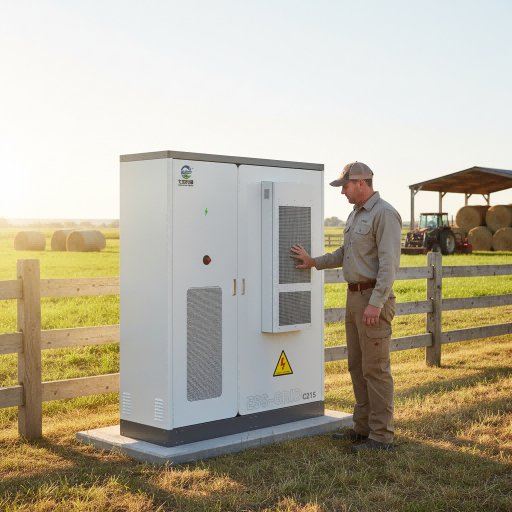
Capacity Explosion: The U.S. Energy Information Administration (EIA) predicts that in 2026, all net new generating capacity in the United States will come from renewable energy and battery storage. Utility-scale battery storage is expected to reach 65.6 GW by the end of 2026.
According to data from the U.S. Energy Information Administration (EIA), 2026 is set to be a landmark year where renewable energy and battery storage provide all net new generating capacity. Utility-scale battery storage is expected to reach 65.6 GW by the end of 2026, doubling the capacity seen just two years prior.
The industry is shifting toward 'Solar-plus-Storage' as a standard, driven by the massive power demands of AI data centers. While Wood Mackenzie warns of potential short-term contractions due to tariff uncertainties, the overarching trend remains bullish. Lithium Iron Phosphate (LFP) has solidified its role as the dominant chemistry, while the first wave of long-duration iron-air batteries begins to hit the grid, promising 100-hour backup capabilities.

Technological Shifts: 2026 marks the commercial scaling of Perovskite solar panels and TOPCon technology (expected to capture 70% of the market). Meanwhile, non-lithium chemistries like Sodium-ion and Solid-state batteries are moving from pilot projects to initial market entry.
Market Drivers: The rapid growth of AI Data Centers and EV charging networks is driving a massive surge in "behind-the-meter" storage. Battery prices have hit a record low of approximately $70/kWh, making long-duration energy storage (LDES) more economically viable.
Emerging Trends: China continues to lead in Floating Solar (reaching 4.8 GW globally by 2026) and the world's largest Liquid Air Energy Storage projects, while Europe focuses on Virtual Power Plants (VPP) and Vehicle-to-Grid (V2G) integration.